Seasonal
Allergy Season Cleaning: Practical Tips for Massachusetts Homes
October 8, 2026 · 6 min read · By the TidyHouzz team
When the cars in the driveway turn yellow-green each spring, pollen is already inside your house too. The best allergy season cleaning focuses on trapping dust and pollen instead of stirring them up, and on the places you spend the most hours: your bed, your couch and your floors.
These tips aren't medical advice. If allergies are severe, talk with your doctor. But a smarter cleaning routine can make home feel like a break from the outdoors instead of more of the same.
Know Your Seasons
In Massachusetts, allergy season isn't just spring.
- Spring: Tree pollen, often the heaviest stretch.
- Summer: Grass pollen, plus humidity that encourages dust mites and mildew.
- Fall: Ragweed, along with mold from wet leaves piling up in the yard.
- Winter: Windows closed, heat running, and indoor dust and pet dander take over.
That means the habits below are worth keeping year-round, and stepping up during your personal worst months.
Clean the Bedroom First
You spend roughly a third of your life in bed, so start here.
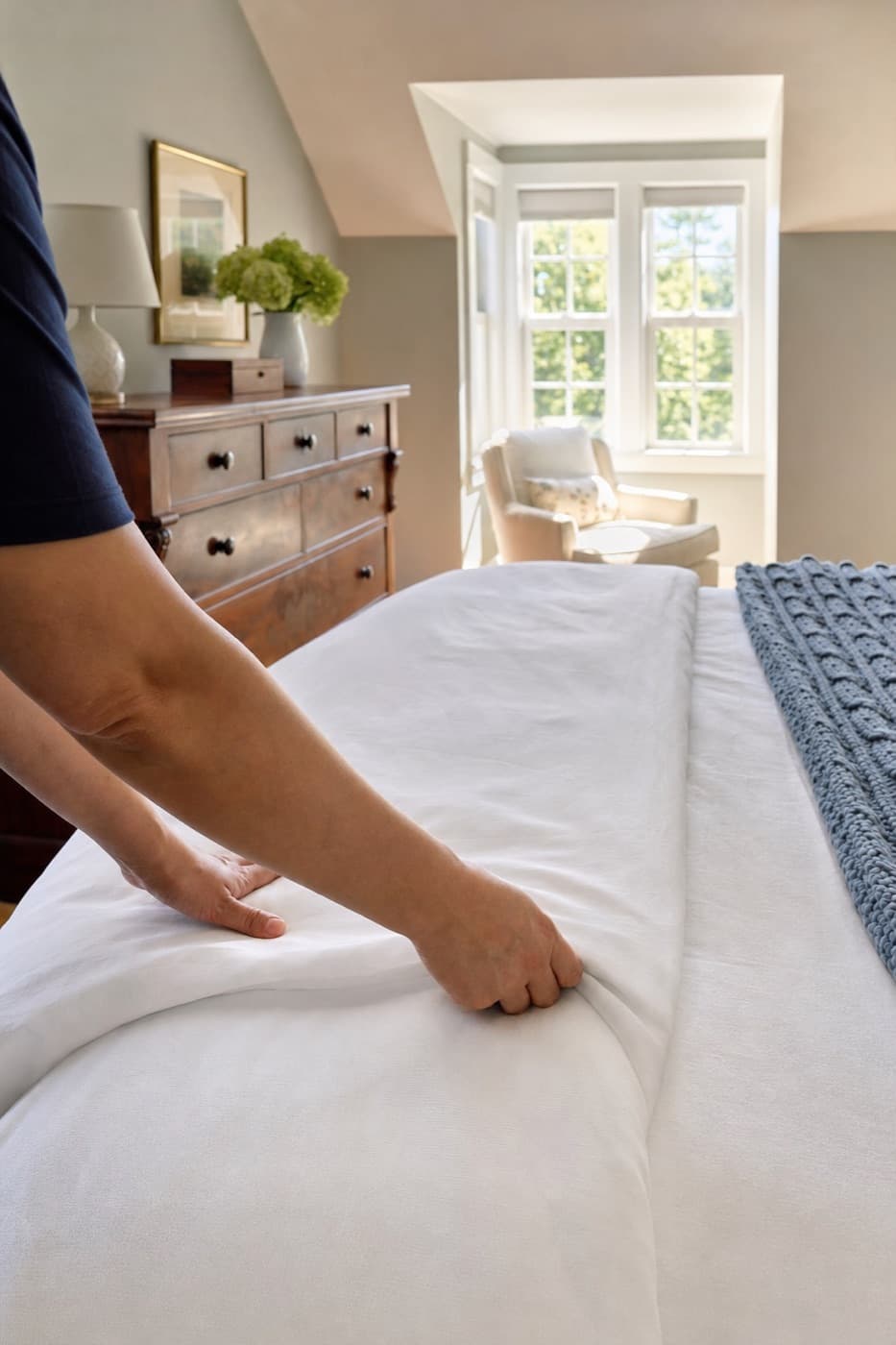
- Wash sheets and pillowcases weekly in hot water if the fabric allows.
- Wash or replace pillows according to their care labels, and consider zippered allergen covers for pillows and mattresses.
- Shower before bed during peak pollen weeks, so you don't carry pollen onto your pillow.
- Keep pets off the bed if dander is a trigger. Hard to do, we know.
- Cut the clutter. Fewer throw pillows, stacked books and knick-knacks means fewer dust traps.
- Vacuum under the bed at least every couple of weeks. It's a dust-bunny farm.
Dust the Right Way
Dusting can make allergies worse if it just moves particles into the air.
- Use damp or microfiber cloths, not feather dusters. They grab dust instead of flinging it.
- Work top to bottom: ceiling fans, light fixtures, shelves, then furniture, then floors last.
- Don't forget the high spots like door frames, tops of cabinets, and picture frames.
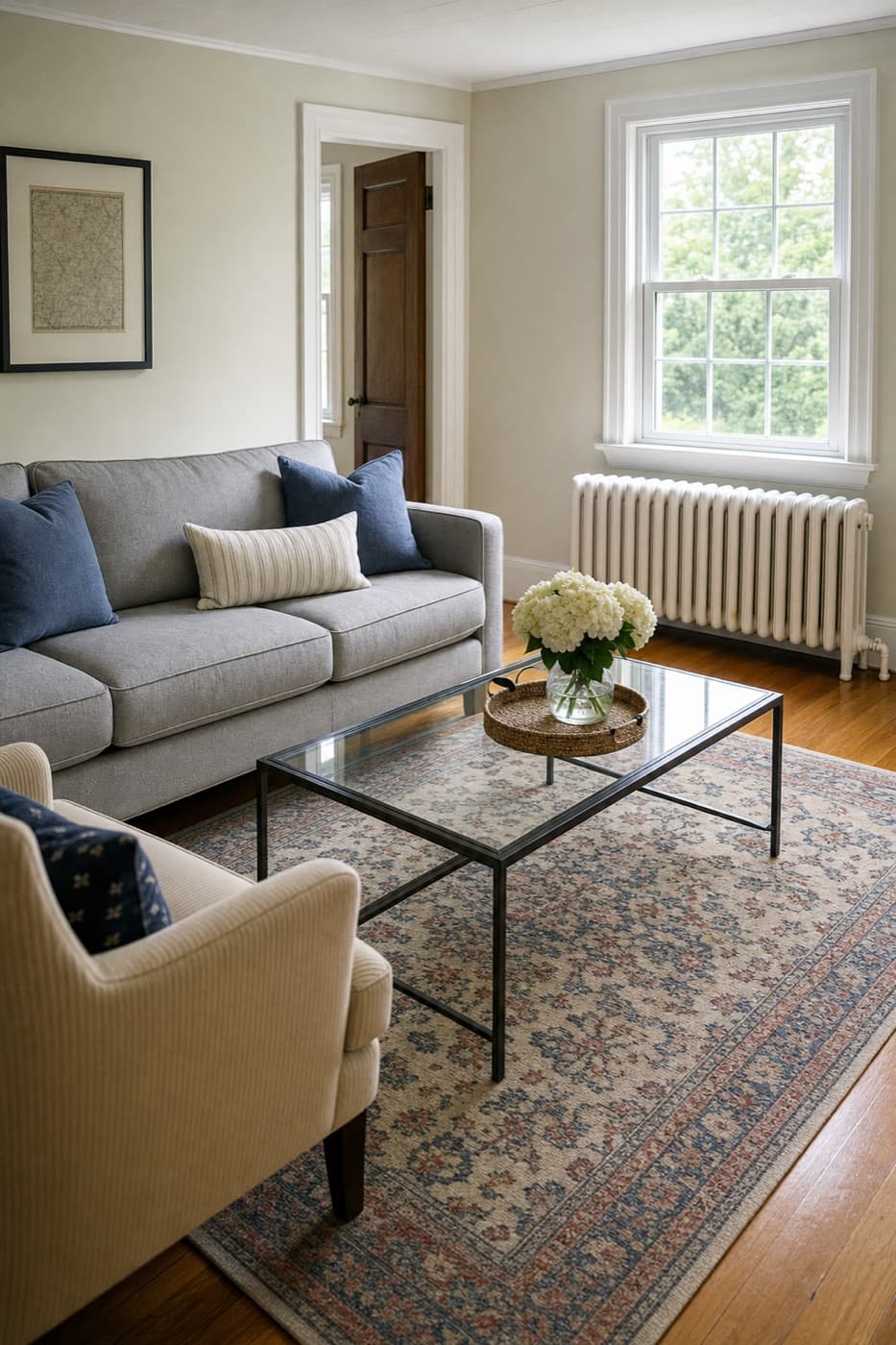
- Hit the hidden spots: radiator fins, baseboard heaters, window sills and blinds.
If you're the allergic one, wear a mask while dusting or hand the job off when you can.
Floors, Rugs and Upholstery
Floors are where pollen and dander settle, and every footstep kicks them back up.
- Vacuum with a HEPA filter at least once or twice a week in peak season. Empty the canister outside if you can.
- Damp-mop hard floors after vacuuming to pick up the fine stuff the vacuum leaves behind.
- Vacuum upholstery with the brush attachment, including under cushions.
- Wash throw blankets and couch covers regularly.
- Area rugs: Small washable rugs are easier to keep allergen-free than wall-to-wall carpet.
Stop Pollen at the Door
The less pollen comes in, the less you have to clean up.
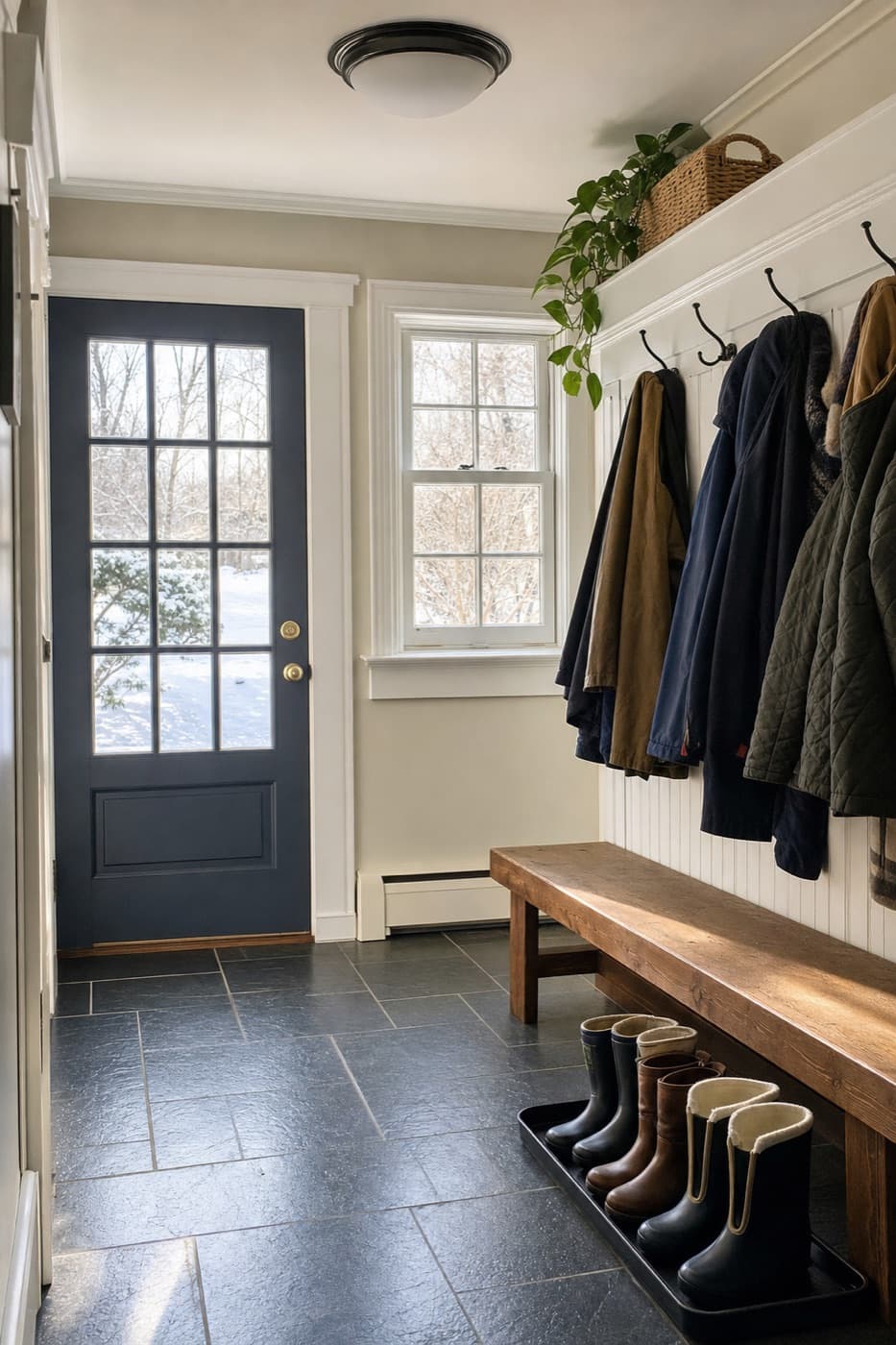
- Shoes off at the door. A boot tray and a basket of house slippers makes this easy.
- Use two mats, one outside and one inside.
- Keep windows closed on high-pollen days, especially in the morning.
- Wipe down pets when they come inside. A damp towel over the coat and paws picks up a surprising amount.
- Change clothes after yard work or a long walk, and drop them straight in the hamper.
Air, Humidity and Mildew
Filters and airflow
- Change HVAC filters on schedule, and check whether a higher-efficiency filter is compatible with your system.
- Clean air purifier filters according to the manufacturer.
- Clean bathroom exhaust fan covers a few times a year. They collect dust quickly.
- Watch humidity. Dust mites and mildew love damp air. A dehumidifier helps in muggy months, especially in basements. Our guide to basement cleaning and mildew prevention has more.
Kitchens and bathrooms
Mold can be a trigger for some people, and it shows up wherever there's moisture.
- Run the bathroom fan during and after showers.
- Squeegee or towel-dry the shower walls.
- Wash bath mats and shower curtains regularly.
- Check under the kitchen sink for slow leaks.
- Empty the fridge drip tray if yours has one, and wipe up spills promptly.
A Simple Allergy-Season Schedule
Weekly
- Wash bedding
- Vacuum floors and upholstery
- Damp-mop hard floors
- Damp-dust main surfaces
Monthly
- Dust ceiling fans, light fixtures, blinds and vents
- Vacuum under beds and furniture
- Wash throw pillows and blankets
Seasonally
- Change HVAC filters
- Wash curtains
- Clean radiators and baseboard heaters
- Do a full deep clean to reset
If keeping up with all of that sounds like a lot, a recurring cleaning schedule can carry the weekly load. We clean homes across Norwood, Westwood and Dedham, and we can use eco-friendly or fragrance-free products on request, which some allergy sufferers prefer.
Frequently asked questions
Does vacuuming make allergies worse?+
It can briefly stir dust into the air, especially with an older vacuum. A vacuum with a HEPA filter and a sealed design helps. If you're sensitive, step out of the room for a bit while someone else vacuums.
Should I open windows to air out the house during pollen season?+
On high-pollen days, it's usually better to keep them closed. Air out the house after rain, when pollen counts tend to be lower, or rely on ventilation and filtration.
Are eco-friendly cleaners better for allergies?+
Some people find strong fragrances irritating, so unscented or gentler products can help. "Eco-friendly" doesn't automatically mean allergen-free, so check labels for fragrances you react to.
Want a cleaner, calmer home this season? Get an instant estimate at /quote or call or text (781) 929-3795.