Deep Cleaning
Kitchen Deep Clean: Degreasing Stovetops, Range Hoods and Cabinets
October 2, 2026 · 7 min read · By the TidyHouzz team
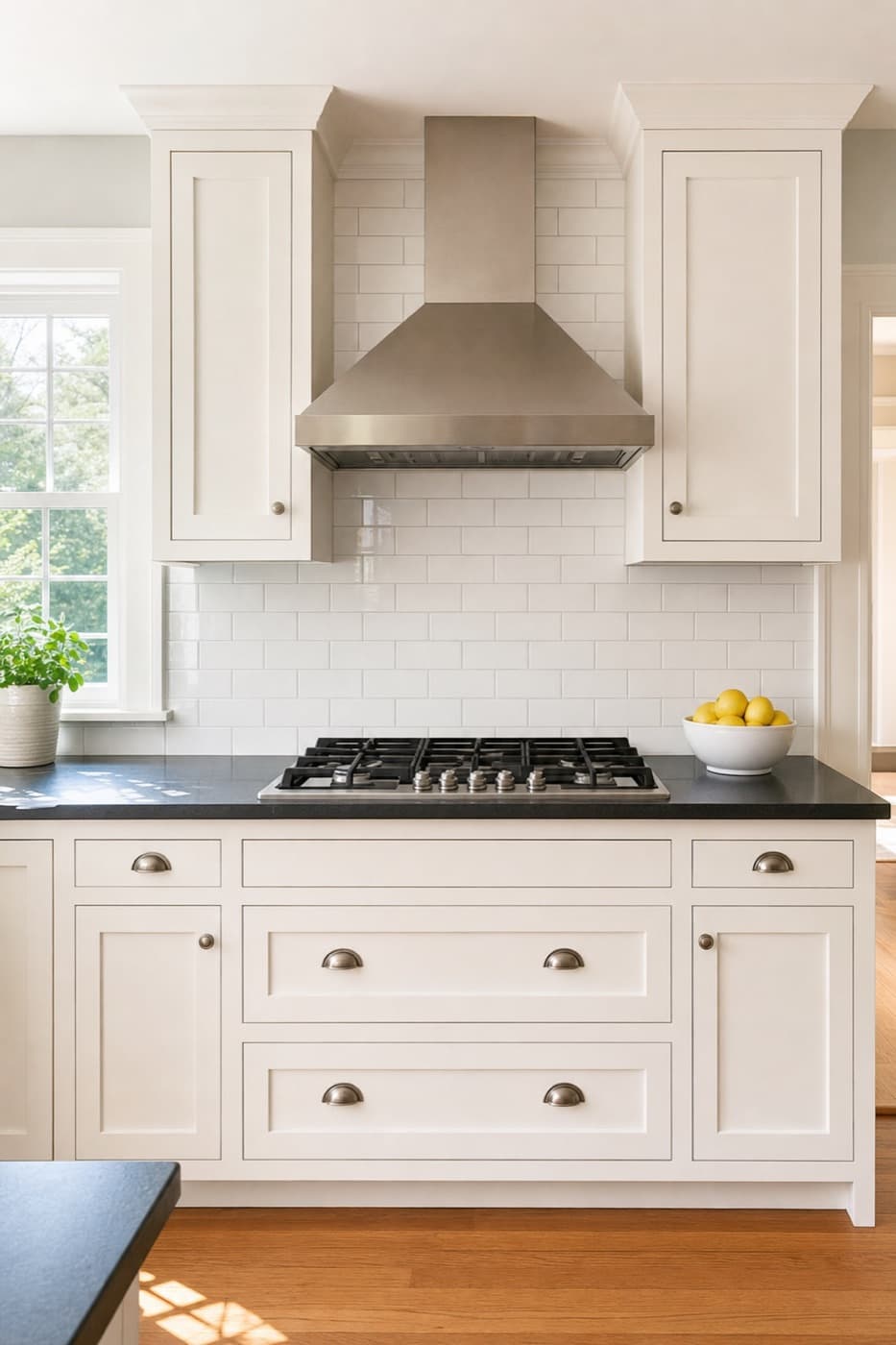
Kitchen grease is sneaky. Every time you cook, a fine mist of oil rises, drifts and settles on the stovetop, the range hood, the cabinet doors and the top of the refrigerator, where it catches dust and turns into a sticky, tacky film. A proper kitchen deep clean goes after that grease in the right order, with the right products for each surface. Here's the plan.
The Order Matters: Top to Bottom
Grease drips and dust falls. Work in this order so you're never re-cleaning:
- Range hood and filters (soak first, they take time)
- Tops of cabinets and the refrigerator
- Cabinet fronts and hardware
- Backsplash
- Stovetop, grates and knobs
- Counters
- Floor last
What You'll Need
- Dish soap (the grease-cutting kind)
- Baking soda
- A degreaser suitable for kitchen surfaces (check the label for compatibility)
- Microfiber cloths, plenty of them
- A non-scratch scrub sponge
- An old toothbrush or detail brush
- A plastic scraper
- A large sink, tub or bin for soaking
- Gloves
Step 1: Range Hood Filters
Most people forget these exist. Pop them out and look. If they're coated, they're not doing their job.
Metal mesh or baffle filters
- Fill your sink or a large bin with the hottest tap water you can.
- Add a generous squirt of dish soap and a few spoonfuls of baking soda.
- Submerge the filters and soak 15 to 30 minutes.
- Scrub with a soft brush, working with the mesh.
- Rinse in hot water and let them dry completely before reinstalling.
Some metal filters are dishwasher-safe. Check your range hood manual.
Charcoal filters
Charcoal (carbon) filters in recirculating hoods can't be washed. Replace them on the schedule your manufacturer recommends.
The hood itself
While the filters soak, wipe the hood exterior and underside with warm soapy water or a degreaser. On stainless steel, wipe with the grain and finish with a dry microfiber cloth to avoid streaks.
Step 2: Tops of Cabinets and Fridge
If you've never cleaned up there, prepare yourself. This is often the worst grease in the kitchen because nobody sees it.
- Scrape off any thick layer with a plastic scraper
- Wipe with a degreaser or very soapy hot water
- Let it sit a few minutes, then wipe again
Pro tip: After it's clean, lay a sheet of wax paper or a cut-to-size liner on top. Next time, just swap it out.
Step 3: Cabinet Fronts
Cabinet doors near the stove and the handles everyone grabs collect the most grime.
Wood cabinets (stained or finished)
- Mix warm water with a small amount of dish soap
- Wring your cloth well. Wood doesn't like water
- Wipe with the grain, paying extra attention around handles
- Dry immediately with a clean cloth
Painted cabinets
Painted cabinets, common in older New England kitchens, can be more delicate. Use the mildest approach that works, test any degreaser inside a door first, and avoid scrubbing hard, which can dull or lift paint.
Hardware
Use a toothbrush with soapy water around knobs and pulls, where grease builds up in the crevices. If removable, a soak in hot soapy water works wonders.
Step 4: Backsplash
Spray with warm soapy water or a degreaser, let it sit a couple of minutes, and wipe. For grout lines behind the stove, scrub with a toothbrush and a baking soda paste. If you have natural stone, skip acids and use a stone-safe cleaner.
Step 5: The Stovetop
Gas stovetops
- Remove grates and burner caps once they're completely cool.
- Soak grates in hot water with dish soap. For baked-on grime, coat them with a baking soda paste and let them sit before scrubbing.
- Wipe the stovetop surface with warm soapy water, working around the burner heads.
- Keep water away from the igniters. Wipe them gently with a barely damp cloth or dry toothbrush.
- Make sure burner caps are dry and seated properly before you turn anything on.
Glass and ceramic cooktops
- Let the surface cool fully.
- Use a cooktop scraper held at a low angle to lift burned-on spots.
- Apply a cleaner made for glass cooktops and buff with a non-scratch pad or cloth.
- Wipe clean and buff dry.
Avoid abrasive powders and steel wool, which scratch glass permanently.
Coil-element stoves
Lift out the coils (when cool) and drip pans. Soak drip pans in hot soapy water. Wipe the coils with a damp cloth only. Never submerge them.
Knobs
Many knobs pull straight off. Soak them in soapy water and scrub with a toothbrush. Before removing, snap a quick photo so they go back in the right places.
Step 6 and 7: Counters and Floor
Clear counters, wipe with a surface-appropriate cleaner, and don't forget the strip where the counter meets the stove. That gap catches crumbs and drips. Pull the stove out a few inches if you can do so safely and wipe the sides.
Finish with the floor. Grease that dripped from above settles here, especially in front of the stove. If your kitchen has hardwood, see our guide on how to clean hardwood floors.
Keeping Grease From Building Back Up
- Run the range hood every time you cook, not just when something smokes.
- Wipe the stovetop after cooking while it's still slightly warm (not hot).
- Wipe cabinet fronts near the stove weekly.
- Clean metal filters every month or two, more if you fry often.
The Kitchen Before Thanksgiving
If you're hosting, a kitchen deep clean in early November means you start the big cook with clean filters and a grease-free stovetop. Our Thanksgiving cleaning timeline shows where it fits in the countdown.
Prefer to hand it off? A TidyHouzz deep cleaning goes into the kitchen details that routine cleaning skips, for homes across Norwood, Dedham and Westwood.
Frequently asked questions
How often should I deep clean my kitchen?+
Many households do a full kitchen deep clean a few times a year, with quick weekly wipe-downs in between. If you cook daily or fry often, the range hood filters and stovetop may need monthly attention.
What's the best natural degreaser?+
Hot water with a good grease-cutting dish soap handles most kitchen grease. For baked-on grime, a baking soda paste adds gentle scrubbing power.
Can I put my range hood filters in the dishwasher?+
Many metal mesh and baffle filters are dishwasher-safe, but check your manual first. Charcoal filters can't be washed and should be replaced.
Ready for a spotless, grease-free kitchen? Get an instant estimate at /quote, or call or text (781) 929-3795.