Cleaning Tips
How to Clean Hardwood Floors (Without Ruining Them)
September 30, 2026 · 7 min read · By the TidyHouzz team
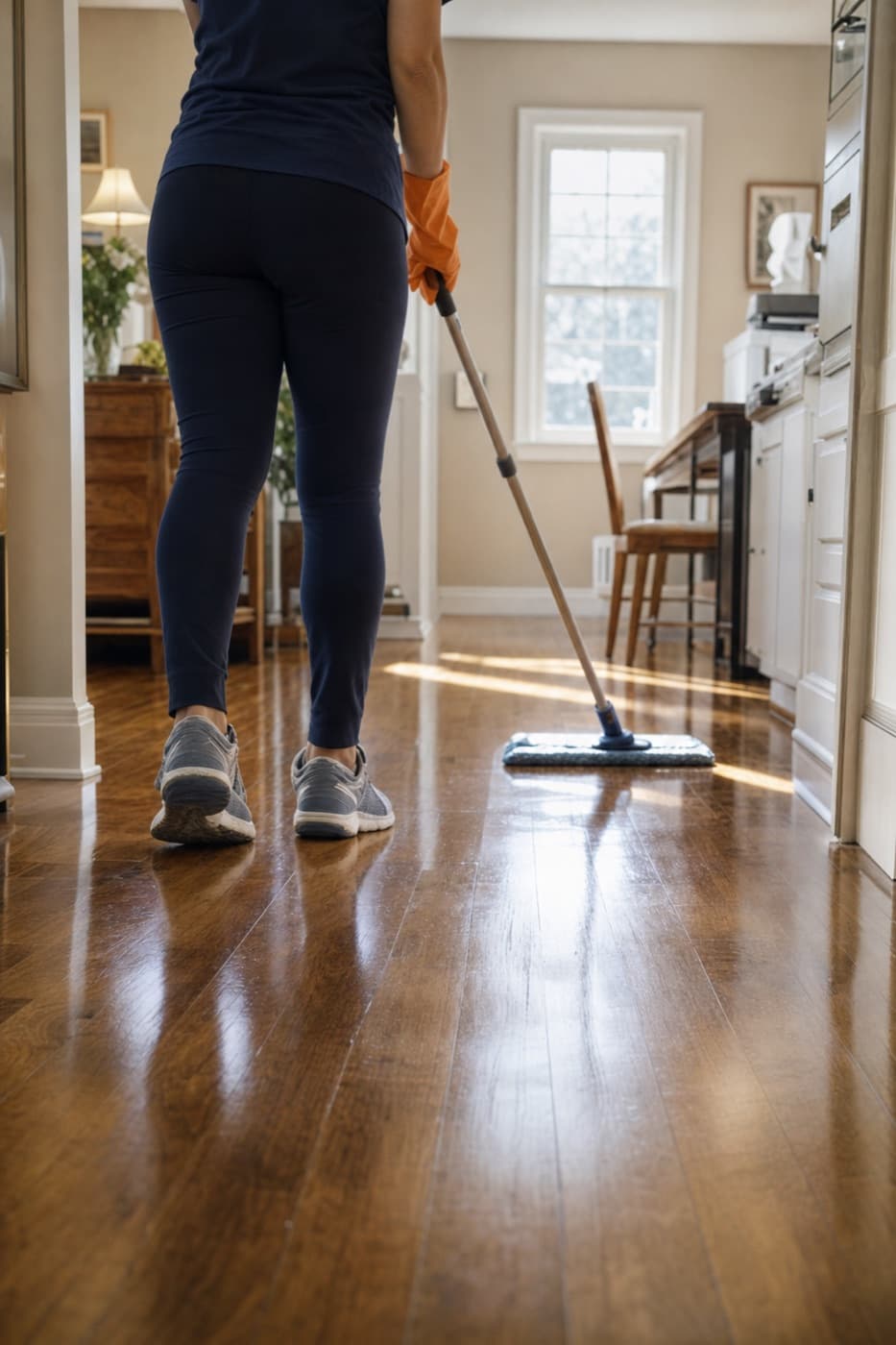
To clean hardwood floors safely, remove grit first with a dust mop or vacuum, then use a barely damp microfiber mop with a pH-neutral cleaner made for hardwood. That's it. Most damage comes from too much water, the wrong product, or grit that acts like sandpaper underfoot. Here's how to do it right, plus what to avoid and how to handle the realities of older homes and New England winters.
Step One: Figure Out What Finish You Have
Before you clean, know what's on top of the wood. The finish, not the wood itself, is what you're actually cleaning.
- Surface finish (polyurethane or similar). Most floors installed or refinished in the last several decades have this. It forms a protective coat on top of the wood.
- Penetrating oil or wax finish. More common in older homes, including some original floors in colonials and Cape Cods. The finish soaks into the wood rather than sitting on top.
A quick test
In an out-of-the-way spot, like inside a closet, rub your fingernail or a coin lightly across the floor. If it leaves a smudge or a slight waxy scrape, you likely have a wax finish. You can also put a drop of water down: on a well-sealed surface finish, it should bead. If it soaks in quickly and darkens the wood, the finish is worn or penetrating.
If you're unsure, ask a flooring professional. The rest of this guide assumes a surface finish, which is the most common.
The Right Way to Clean Hardwood
Daily or every few days: remove grit
Sand, salt and dirt are what scratch and dull hardwood. Get them up before they do damage.
- Use a microfiber dust mop or a soft broom
- Or vacuum with the hard floor setting, beater bar off. A spinning brush can scratch
- Pay attention to entryways, the kitchen, and under the dining table
Weekly: damp mop
- Use a pH-neutral cleaner designed for hardwood, mixed as the label directs. A spray-and-mop system works well.
- Mop with microfiber that's damp, not wet. If you see water standing on the floor, there's too much.
- Work with the grain of the boards in sections.
- Dry as you go if any area looks wet, especially around seams.
That's genuinely all most floors need.
What to Avoid
These are the habits that slowly ruin hardwood:
- Steam mops. Heat and moisture force their way into seams and can cloud or lift the finish. Many flooring manufacturers warn against them.
- Soaking wet mops and buckets. Water is wood's enemy. It causes cupping, swelling and dark stains at the edges of boards.
- Vinegar as a regular cleaner. It's acidic and can dull a finish over time.
- Oil soaps and "shine" products on polyurethane. They can leave a film that builds up, gets sticky and makes future refinishing harder.
- Wax on a surface-finished floor. Only use wax on floors that are already waxed.
- Abrasive pads, scouring powders and all-purpose cleaners not made for wood.
New England Problems, Solved
Road salt and slush
Winter in Norwood, Sharon or Foxborough means salt, sand and slush tracked across your floors for months. Salt residue leaves a white haze and can dull the finish, and grit scratches.
- Put a heavy mat outside and an absorbent mat inside every door
- Keep a boot tray by the door so wet boots don't sit on wood
- Wipe up puddles right away
- For white salt haze, use a hardwood cleaner and a damp microfiber pad, then dry
We cover this in depth in how to protect your floors from road salt this winter.
Radiators and humidity
Older homes with radiators have their own quirks. A leaking radiator valve can stain the boards underneath, so check now and then for drips. Hardwood also shrinks in dry winter air, opening small gaps between boards, and swells back in humid summers. That's normal. Running a humidifier in winter can help, but avoid overdoing it.
Old floors with character
Original floors in older colonials often have worn spots, nail holes and past repairs. Be gentle. Skip anything abrasive, stick to dry cleaning and occasional damp mopping, and test any new product in a hidden corner first. For more, see our post on cleaning older homes.
Preventing Scratches and Dents
- Felt pads under every chair and table leg. Replace them when they get grimy, because grit gets embedded in them.
- Rugs in high-traffic paths and under the dining table (with a rug pad that's safe for hardwood).
- No stiletto heels or cleats indoors.
- Trim pet nails regularly.
- Lift, don't drag, furniture.
Handling Common Spots
- Sticky spills: Damp microfiber cloth with a bit of hardwood cleaner, then dry.
- Scuff marks: Often come off with a clean tennis ball or a soft cloth rubbed gently.
- Pet accidents: Blot immediately. Urine left sitting can damage the finish and stain the wood.
- Candle wax or gum: Harden it with an ice pack in a plastic bag, then gently lift with a plastic scraper.
Let a Pro Take the Floors Off Your List
Floors are one of the most time-consuming parts of keeping a house clean, especially with kids, pets or a long winter. Our recurring cleaning visits include careful floor care using methods that are safe for wood. Just tell us about any older or delicate floors when you book.
Frequently asked questions
How often should I mop hardwood floors?+
In most homes, damp mopping once a week is plenty, with dry dust mopping or vacuuming every few days. High-traffic areas like the kitchen may need a little more attention.
Can I use a Swiffer-style mop on hardwood?+
Dry microfiber pads are great for picking up dust and hair. For wet pads, choose a solution labeled safe for sealed hardwood and avoid oversaturating the floor.
How do I make my hardwood floors shine again?+
Often, dullness is just residue from the wrong product. Clean with a pH-neutral hardwood cleaner and a damp microfiber mop. If the finish itself is worn, a flooring professional can recommend a recoat or refinish.
Want your floors handled for you? Get an instant estimate at /quote, or call or text (781) 929-3795.