Cleaning Tips
Cleaning Tips for Homes With Dogs and Cats: Hair, Mud and Odors
September 29, 2026 · 7 min read · By the TidyHouzz team
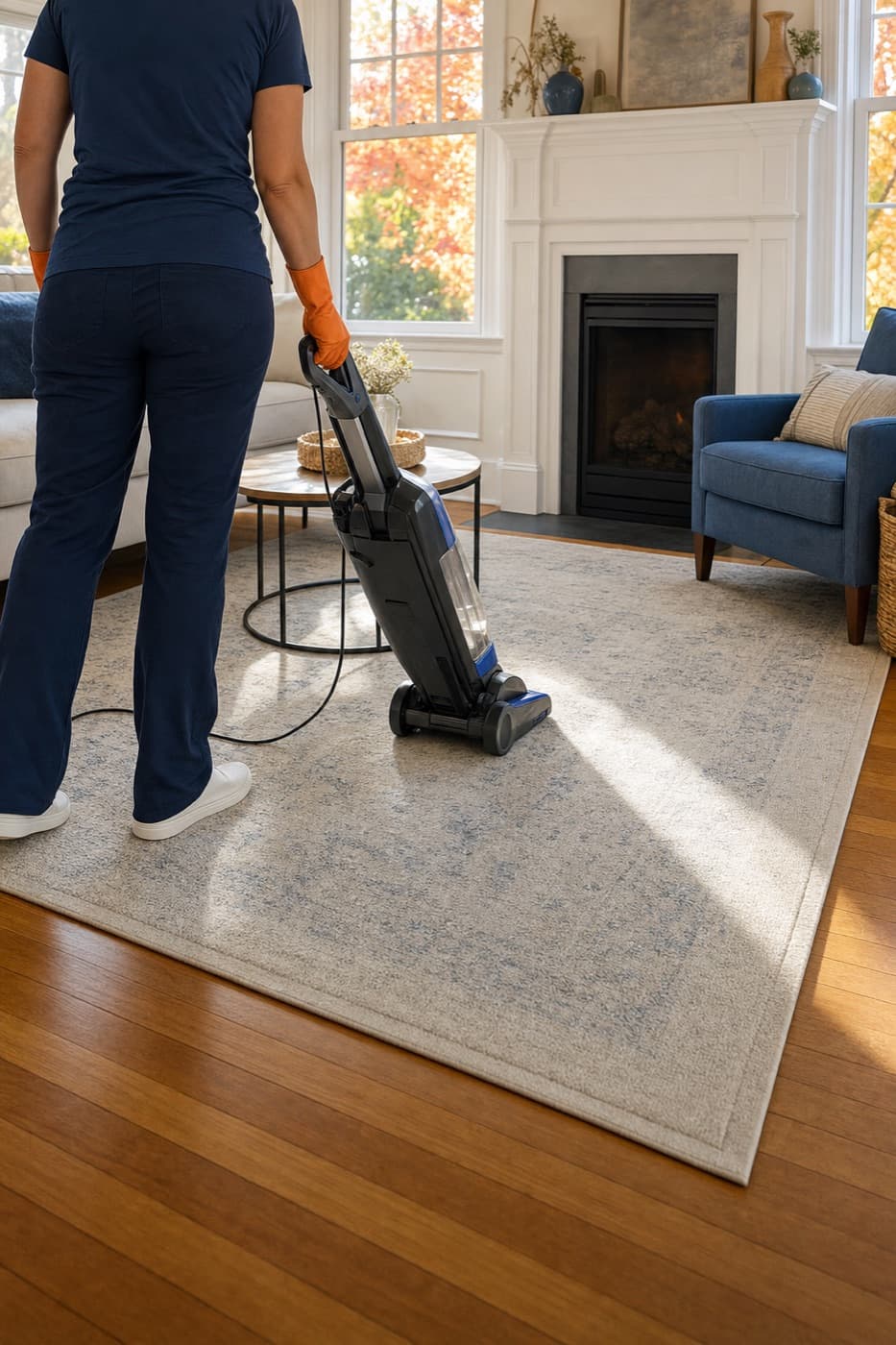
Living with a dog or cat means living with hair, dander, muddy paws and the occasional accident. The good news: a few smart habits and the right tools keep it manageable, and none of them require harsh chemicals. Below are the tips that make the biggest difference, organized by the problem you're actually trying to solve.
Problem 1: Pet Hair Everywhere
Hair collects where pets sleep, where air settles (corners, under furniture, along baseboards) and on fabrics with texture.
Tools that actually work
- A vacuum with good suction and a HEPA filter. Empty the canister or change the bag often. A full vacuum loses suction fast with pet hair.
- A rubber broom or squeegee on rugs and carpet. Drag it in short strokes and watch hair ball up like magic.
- Damp rubber gloves for upholstery. Run your hand over the couch and the hair rolls right off.
- A lint roller or pet hair brush by the door for a last pass before you leave the house.
- Microfiber cloths for dusting. Dry dusters just push hair and dander around.
Habits that help
- Brush your pet regularly, outdoors when weather allows. More hair in the brush means less on the floor.
- Put washable throws on your pet's favorite couch or chair spot and wash them weekly.
- Vacuum high-traffic zones more often than the rest of the house. Two quick passes a week in the living room beat one big clean.
- Run the vacuum under the furniture where your pets nap. Hair tumbleweeds love the space under beds and sofas.
Problem 2: Muddy Paws and Wet Dogs
In Massachusetts, mud season isn't a figure of speech. Between spring thaw, fall rain and slushy winter walks, dog paws track in a lot.
Set up a paw station at the door
The mudroom, back door or garage entry is the best spot. Keep these together:
- A heavy, absorbent doormat outside and another inside
- An old towel or two on a hook, just for paws
- A shallow bin or paw washer cup with water for the really muddy days
- A boot tray for your own wet shoes
Wipe paws every time, even when it seems unnecessary. In winter, it also removes road salt and ice melt, which can irritate paw pads and dull your floors. Our post on protecting floors from road salt has more on that.
Protect your floors
Keep pet nails trimmed to reduce scratches on hardwood. Wipe up water around bowls quickly, since standing water is hard on wood finishes. A washable mat under the food and water bowls is a cheap fix. For more on floor care, see our guide on how to clean hardwood floors without ruining them.
Problem 3: Accidents and Odors
Act fast, blot, don't rub
For urine on carpet or a rug:
- Blot up as much as you can with paper towels or an old cloth. Press, don't scrub.
- Apply an enzymatic cleaner made for pet messes, following the label. Enzymes break down the proteins that cause lingering odor.
- Let it sit for the full time the label says. This is where most people go wrong.
- Blot again and let it air dry completely.
What not to use
- Ammonia-based cleaners. Urine contains ammonia, so these can smell like "the spot" to your pet and encourage a repeat.
- Steam or heat on urine stains. Heat can set the stain and odor into fibers.
- Heavy fragrance sprays. They mask the smell for you but not for your pet's nose.
Litter box areas
- Scoop daily and change litter fully on a regular schedule
- Put a litter mat under the box to catch tracked granules
- Wipe the floor and wall around the box weekly with mild soap and water
- Keep the area ventilated, especially if it's in a damp basement
Problem 4: Keeping Products Pet-Safe
Pets walk on floors, lie on rugs and lick their paws. What you clean with ends up on them.
- Let floors dry completely before letting pets back in the room.
- Be cautious with essential oils. Some, like tea tree, are a known concern for cats. Diffusers and oil-heavy cleaners aren't worth the risk.
- Rinse food and water bowls with plain hot water after washing.
- Store all cleaners where a curious dog can't chew a bottle open.
A Simple Weekly Routine for Pet Homes
- Daily: Wipe paws, scoop litter, quick vacuum of the main hangout spot
- Twice a week: Vacuum all floors and under furniture, lint-roll the couch
- Weekly: Wash pet bedding and couch throws, wipe the bowl area, mop hard floors
- Monthly: Vacuum upholstery thoroughly, wash pet toys, clean baseboards and vents where hair collects
When to Call in the Pros
Pet homes get dusty faster, and the hair builds up in places that are easy to miss: baseboards, vent covers, the tops of door frames, under radiators. Many families with dogs in Dedham and Canton find a weekly or biweekly recurring cleaning keeps hair under control in a way occasional deep cleans can't.
When you book, let us know about your pets: how many, whether they'll be home, and how they feel about vacuums.
Frequently asked questions
How often should I vacuum if I have a dog or cat?+
In most pet homes, vacuuming main living areas at least twice a week makes a noticeable difference. Shedding season, multiple pets or allergies in the family may call for more.
Will my pet be OK during a professional cleaning?+
Most pets do fine. Some prefer a closed room or crate while the vacuum runs. Tell the team ahead of time so they can keep doors closed and avoid any escape attempts.
What's the best way to get pet odor out of a rug?+
Blot, then use an enzymatic cleaner and let it sit for the full time on the label. Avoid ammonia-based products and heat, which can make the odor worse.
Ready for a cleaner home with your four-legged family? Get an instant estimate at /quote, or call or text (781) 929-3795.