Seasonal
How to Clean Your Fireplace Before the First Fire of the Season
October 28, 2026 · 6 min read · By the TidyHouzz team
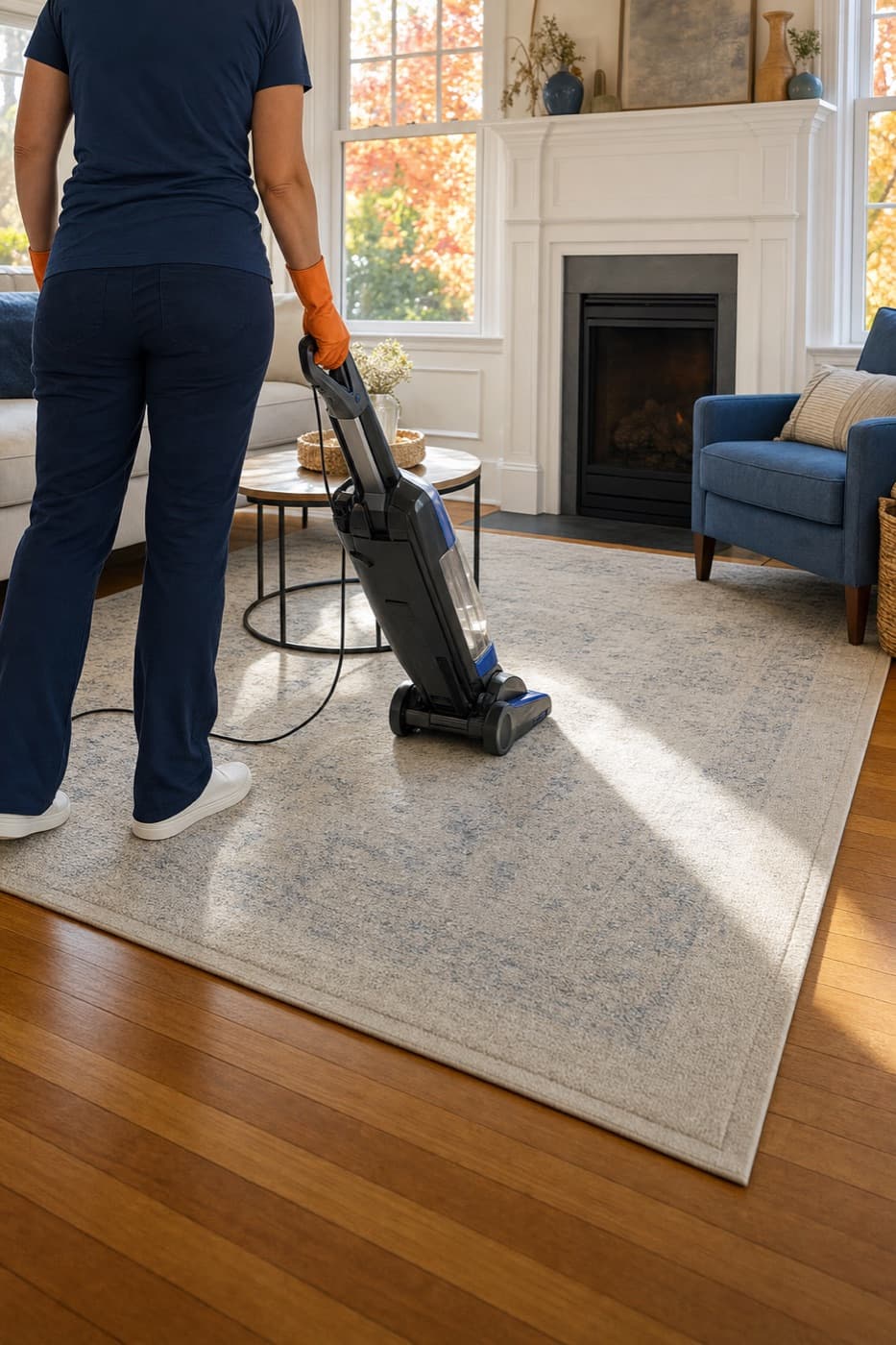
Before the first fire of the season, give your fireplace a proper clean: clear out the old ash safely, wash the glass doors, scrub the brick or stone surround, and wipe down the hearth and mantel. It's an afternoon's work, and it makes the whole room look and smell fresher all winter. Here's how to do it, plus what to leave to a professional.
Start With Safety
A fireplace that looks cold can still hide hot embers, sometimes for days after a fire. Before you clean:
- Wait until the fireplace has been out for several days, or longer if you're not sure. If you used it last spring, you're fine.
- Open the damper so dust can escape up the chimney instead of into the room. Close it again when you're done if you won't be using the fireplace right away.
- Protect the room. Lay a drop cloth or old sheet over the hearth rug and nearby furniture. Fireplace soot travels.
- Wear gloves and a dust mask. Soot and fine ash are messy and irritating to breathe.
Never use a regular household vacuum on fireplace ash. Fine ash can clog the filter and blow back into the room, and a hidden ember is a fire risk. Shop vacuums sold specifically for ash are a different story; follow their instructions.
Step 1: Remove the Old Ash
- Take out the grate and andirons and set them on newspaper or a drop cloth.
- Scoop the ash with a metal fireplace shovel into a metal bucket with a tight-fitting lid.
- Sweep the corners of the firebox with a fireplace brush, working from the back toward you.
- Store the bucket outside, on a non-flammable surface like concrete, away from the house, deck, and anything that can burn. Never put fireplace ash in a paper bag, cardboard box or plastic trash can.
A thin layer of ash at the bottom of the firebox is fine if you'll be burning wood all winter, since it helps insulate the fire. But start the season with a clean firebox so you can see its condition clearly.
Step 2: Clean the Firebox Walls
Firebox walls are usually firebrick and will never look new, which is normal. The goal is to remove loose soot, not to make them spotless.
- Brush the walls with a stiff, non-wire brush to knock down loose soot.
- For heavier buildup, mix warm water with a little dish soap and scrub with a stiff brush. Use as little water as you can, and let everything dry fully before you light a fire.
- Look for cracks, gaps in the mortar or crumbling brick while you're in there. If you see any, don't use the fireplace until a professional has looked at it.
Step 3: Clean the Glass Doors
Glass fireplace doors are what everyone sees, and a sooty film makes the whole room look dingy.
- Make sure the glass is completely cool.
- Wipe off loose soot with a dry paper towel first so you're not smearing it.
- Use a cleaner made for fireplace glass, or check your manufacturer's instructions. Some glass-door and stove manufacturers specify what to use and what to avoid.
- For light haze, a soft cloth dampened with a mix of water and white vinegar often works. Dry with a clean microfiber cloth to avoid streaks.
- Clean the frame and hinges with a damp cloth, especially if they're painted or brass.
Skip abrasive pads and powders on fireplace glass. They can scratch it, and scratches hold soot.
Step 4: Scrub the Brick or Stone Surround
The face of the fireplace collects soot right above the opening. Many New England colonials and Cape Cods have original brick fireplaces that have been painted, sealed, or left bare over the years, so test first.
- Test any cleaner on a small hidden spot and let it dry before doing the whole surround.
- Unsealed brick: scrub with a stiff nylon brush and warm water with a little dish soap. Rinse with a damp sponge and blot dry.
- Painted brick: treat it like a painted wall. Use a soft sponge and mild soap so you don't lift the paint.
- Natural stone (granite, slate, soapstone, marble): use a pH-neutral stone cleaner or plain water. Skip vinegar and other acidic cleaners on marble and limestone, which can etch the surface.
Step 5: The Hearth, Mantel and Tools
- Hearth: vacuum or sweep around it (not the ash itself), then wipe with the right cleaner for its material.
- Mantel: dust the top and front, then wipe with a barely damp cloth. Wood mantels can be polished like any other wood furniture. Anything decorative on the mantel will be dusty too.
- Tools, grate and screen: brush off soot outside and wipe with a damp cloth.
- Nearby surfaces: soot settles on the walls, ceiling above the fireplace, and the closest furniture. Give them a quick dust while you're at it.
Once everything is clean and dry, put the grate back and you're ready.
When to Call a Chimney Sweep
Cleaning the visible parts of the fireplace is a homeowner job. The chimney itself is not. Have a qualified chimney professional inspect your chimney before the season, especially if:
- You don't know when it was last inspected or swept
- You used the fireplace a lot last winter
- You see black flakes falling into the firebox or notice a strong smoky odor
- You just moved into the house
- You see any cracks, loose bricks or water stains
Follow their recommendation on how often to inspect and sweep. It's the most important part of using a fireplace safely.
Keep the Rest of the House Winter-Ready
The fireplace is usually part of a bigger fall reset: radiators, baseboards, windows and floors before the house closes up for winter. Our fall cleaning checklist for New England homes covers the rest, and if you live in one of the older homes around Norwood, cleaning older homes has tips for original brick, plaster and hardwood.
If you'd rather hand off the heavy work before the holidays, a deep cleaning resets the living room, kitchen, bathrooms and floors in one visit.
Frequently asked questions
How long should I wait after a fire before cleaning the fireplace?+
Wait until the fire has been out for several days. Ash can hold hot embers long after it looks cold, so treat it as hot and store it in a lidded metal container outside, away from the house.
Can I vacuum fireplace ash with my regular vacuum?+
No. Fine ash can clog a household vacuum's filter and blow back into the room, and hidden embers are a fire risk. Use a metal shovel and bucket, or a vacuum made specifically for ash.
What's the best way to clean sooty fireplace glass?+
Wait until it's cool, wipe off loose soot, then use a cleaner made for fireplace glass or the one your manufacturer recommends. Avoid abrasive pads that can scratch the glass.
Want the rest of the house ready before the holidays? Get an instant estimate at /quote, or call or text (781) 929-3795.